


+86-13971665988 | info@justcaredisposable.com


Views: 0 Author: Site Editor Publish Time: 2026-04-12 Origin: Site


Packing a hospital bag often triggers intense decision fatigue for expecting mothers. You want to feel completely prepared for delivery. However, navigating endless checklists easily leads to panic-buying expensive postpartum recovery kits. Marketing campaigns frequently exaggerate your actual physiological needs. They push you toward buying bulk supplies you will never use.
The truth involves a much simpler, more realistic approach. Most women over-purchase recovery items out of fear. This habit wastes money and clutters your bathroom cabinets while you try to heal. You need a practical strategy based on the physiological reality of postpartum bleeding, clinically known as lochia. We filter out the social media hype using utility data from veteran mothers.
In this guide, you will learn the exact timeline of postpartum recovery. We will show you how to balance leak security, budget, and physical comfort. By the end, you will know exactly how many Disposable Underwear to buy. This precise purchasing strategy minimizes waste while maximizing your peace of mind.
The Golden Number: You realistically only need 10 to 14 pairs (roughly one pack) of high-quality disposable underwear to survive the heaviest bleeding phase.
The Daily Burn Rate: Expect to use 1 to 3 pairs per day during the first 7 to 10 days at home.
The "Adult Diaper" Advantage: Community consensus strongly favors standard adult incontinence underwear over the traditional "hospital mesh underwear plus maxi pad" combination for superior leak protection and less shifting.
The Transition Strategy: Rely on hospital freebies for Days 1-2, self-purchased disposables for Days 3-10, and transition to reusable period panties or standard high-waisted cotton underwear thereafter.
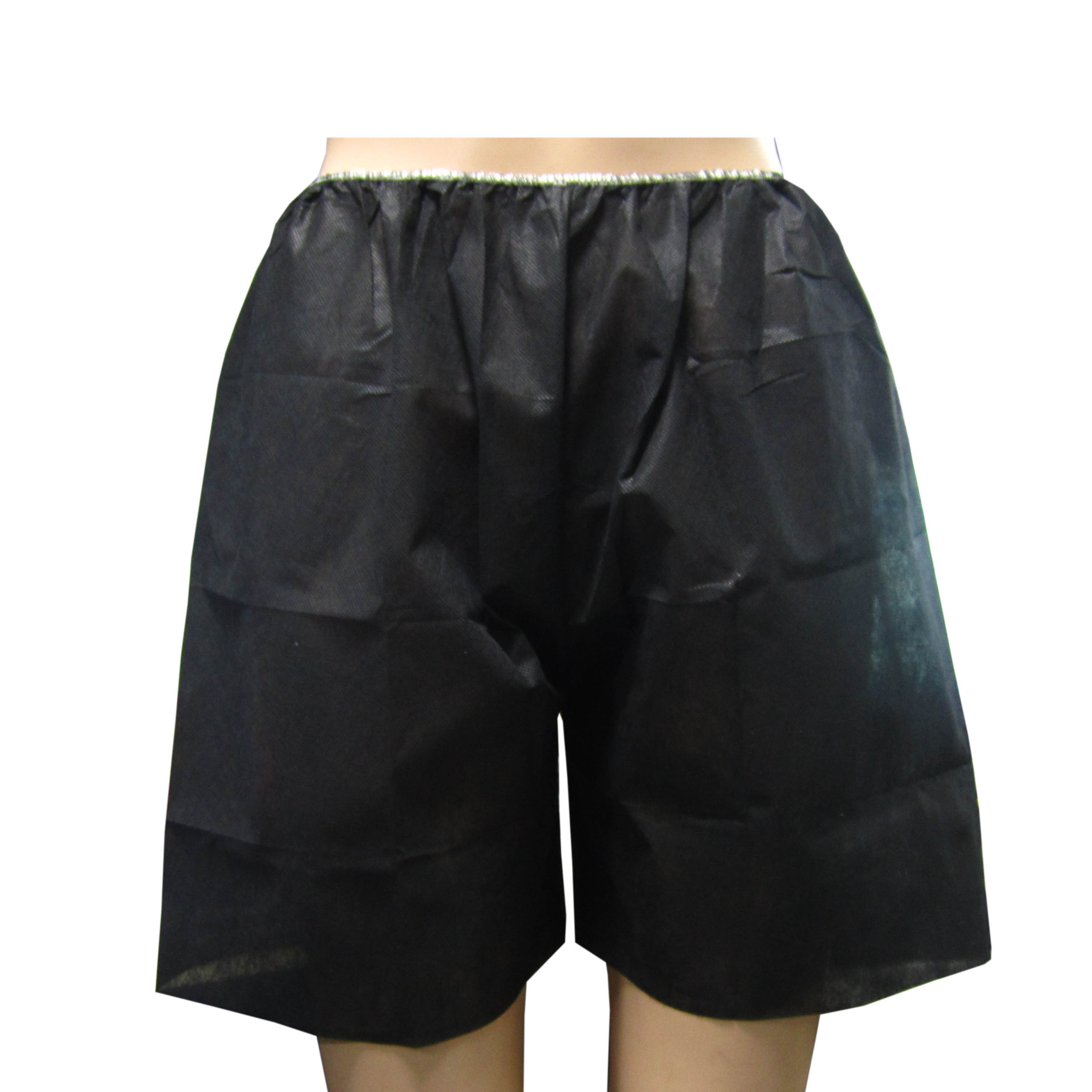
Aligning product absorbency with your actual lochia recovery serves as our primary success criteria. Many new mothers over-invest in heavy-duty products. They assume heavy bleeding lasts for months. Understanding your body's healing phases prevents this costly mistake. The uterus sheds its lining in distinct, predictable stages.
Days 1-3 (Maximum Flow): Medical professionals call this phase lochia rubra. You will experience heavy, bright red bleeding. Your body is actively healing the placental detachment site. This represents the critical window where full-coverage disposable garments provide essential security. However, you usually spend most of this intense period inside the hospital. The facility provides the necessary supplies during your stay.
Days 4-10 (Moderate Flow): Bleeding transitions into lochia serosa. The discharge turns pinkish-brown. Your overall blood volume decreases significantly. Despite this decrease, you still need highly reliable, stain-free comfort. Sudden gushes can still occur when you stand up or breastfeed. This week represents your highest personal usage at home.
Weeks 2-6 (Spotting & Discharge): Your flow enters the lochia alba phase. Bleeding tapers off into a yellowish-white discharge. Wearing bulky, highly absorbent garments now becomes physically uncomfortable. It also represents an unnecessary ongoing expense. You should transition away from heavy products. Standard maternity pads or reusable period panties work perfectly during these final weeks.
Recovery Phase | Clinical Name | Flow Characteristics | Optimal Product Choice |
|---|---|---|---|
Days 1-3 | Lochia Rubra | Heavy, bright red flow | Hospital mesh + maxi pads |
Days 4-10 | Lochia Serosa | Moderate, pinkish-brown | Self-purchased adult diapers |
Weeks 2-6 | Lochia Alba | Light spotting, yellowish | Period panties or normal pads |
Addressing the total cost of ownership (TCO) helps reduce unnecessary waste. Expecting parents frequently fall into the trap of over-purchasing. Buying three or four packs of Disposable Underwear usually results in wasted money. Your body typically heals much faster than your bathroom supply depletes. Let us break down the exact math to formulate your optimal purchasing plan.
The Calculation Matrix relies on a clear, day-by-day approach:
Hospital Stay (Days 1-2): You need exactly zero self-purchased pairs. Utilize the free hospital-provided mesh garments. Pair them up with the oversized maternity pads provided by your nurses. Save your premium stash for home.
First Week Home (Days 3-10): Expect a daily burn rate of one to two pairs per day. This equates to seven to fourteen pairs total. Some days require more changes, while lighter days require fewer.
Total Recommended Stash: Purchase exactly one standard pack. Depending on the brand, a single box usually contains between ten and eighteen pairs. This quantity perfectly bridges the gap between your hospital stay and your lighter flow phase.
Scalability offers a safer financial strategy than upfront hoarding. Modern logistics make inventory hoarding obsolete. If your heavy bleeding unexpectedly continues past week two, you can easily adapt. Purchasing a second pack via next-day delivery solves the problem instantly. This method protects your budget while guaranteeing you never run out.
Evaluating your options requires looking at four specific dimensions. We must compare leak security, fit, cost, and overall comfort. Not all recovery garments perform equally across these categories. Understanding the differences helps you choose the right product for your specific body.
Hospital Mesh Underwear (The Baseline)
Hospitals provide these stretchy, net-like garments for free. They offer exceptional breathability. Airflow helps stitches heal faster. However, the one-size-fits-all design usually feels baggy. Heavy pads easily shift around inside the loose mesh. This shifting frequently leads to stained bedsheets and frustrated mothers.
Standard Adult Incontinence Underwear (The Veteran Hack)
Veteran mothers overwhelmingly recommend standard adult incontinence brands. They provide complete 360-degree leak protection. You gain built-in absorbency without stacking separate pads. They prove highly cost-effective compared to boutique maternity brands. Furthermore, they handle both lochia and sudden postpartum bladder leaks simultaneously. The only downside involves their silhouette. They can feel slightly bulky under tight clothing.
Premium Postpartum Disposable Underwear
Boutique brands design products specifically for healing bodies. They feature soft spandex blends and highly tailored fits. Many models securely hold heavy instant ice pads without sagging. However, they carry a high price-per-unit premium. Spending double the money often proves unnecessary since you only wear them for a few days.
Feature | Hospital Mesh | Adult Diapers | Premium Brands |
|---|---|---|---|
Leak Security | Low (pads shift) | Maximum (360° protection) | High (tailored fit) |
Comfort/Fit | Baggy, highly breathable | Snug, slightly bulky | Form-fitting, very soft |
Cost per Unit | Free | ~$0.50 to $0.80 | ~$1.50 to $2.50+ |
Implementation risks vary wildly based on your delivery method. The wrong underwear style actively disrupts your physical recovery. Poorly designed waistbands cause severe pain against fresh incisions. Flimsy materials fail to support the weight of necessary cooling packs. You must tailor your product choice to your specific birth experience.
Vaginal recovery prioritizes maximum breathability and structural integrity. Your perineal area requires significant airflow to heal stitches properly. Simultaneously, your garment must carry considerable weight. You will likely stack a heavy maxi pad, cooling witch hazel liners, and a perineal ice pack together. Flimsy waistbands sag under this heavy combination. You need strong elastic support to hold these therapeutic layers firmly against your body.
Best Practices: Layer your witch hazel pads neatly over your ice pack. Change your setup every four hours to prevent bacterial growth.
Major abdominal surgery shifts your recovery priorities entirely. Incision clearance dictates your comfort level. Your chosen garment must feature a high waistband. It must sit well above the horizontal surgical line. Low-rise styles rub directly against fresh staples or stitches. This friction causes immense pain and slows down healing.
Compression needs also play a vital role. Look for ultra-soft, light-compression abdominal panels. Gentle pressure supports your recovering abdominal muscles. It also reduces swelling around the incision site. A supportive waistband holds warm or cold compresses securely against your belly. You achieve this relief without relying on irritating adhesive tapes.
Common Mistakes: Do not buy tight shapewear immediately after surgery. Restrictive garments increase your risk of developing a hernia. Stick to gentle, medical-grade compression.
Experience-based workarounds help you stretch your supplies further. Veteran mothers have developed clever strategies to reduce waste. These hacks protect your home environment while keeping your body comfortable. You can maximize a single pack of garments using a few simple tricks.
The "Pad-in-a-Diaper" Technique: Place a heavy maternity pad inside your adult diaper. Use the diaper simply as a leak-proof shell. When you utilize the bathroom, simply peel out the soiled pad and replace it. This keeps the actual garment entirely clean. One single pair can now safely last a full 12 to 24 hours.
Protecting the Environment: Many women double-layer their underwear out of sheer panic. This traps heat and breeds bacteria. Instead, place disposable medical underpads under your bedsheets. Clean puppy pads work equally well. You gain total peace of mind while sleeping without overheating your body.
Hospital Harvesting: Maximize your return on investment before discharge. Ask your nurses for extra mesh items, cooling pads, and medical sprays. Most hospitals throw away open packages in your room once you leave. Take them home. You also need a high-quality peri bottle. If the hospital version feels cheap, request a better one or pack your own.
We need a clear decision framework to finalize your shopping cart today. Do not overcomplicate your timeline. Break your strategy into two simple phases: hospital prep and home recovery.
Immediate Action (Hospital Bag): Open your single purchased pack. Remove three to five pairs. Place them directly into your hospital bag. Leave the remainder of the pack tucked away in your home bathroom. You will rely mostly on hospital freebies for the first 48 hours. These packed pairs simply serve as your comfortable backup option for the drive home.
Secondary Purchase (Home Recovery): Plan your transition strategy for Day 10. Once your heavy bleeding stops, switch to a more sustainable option. Buy one pack of high-waisted, dark-colored cotton underwear. Size up for maximum comfort. Alternatively, purchase three to five pairs of reusable period underwear. They handle lochia alba perfectly while feeling like regular clothing.
Postpartum recovery operates as a highly predictable, phased process. Understanding the timeline from heavy lochia rubra to light lochia alba eliminates decision fatigue. You do not need to stockpile medical supplies like a hospital pharmacy.
We can confidently confirm your best strategy. One single pack of highly absorbent disposable garments remains the optimal, stress-free investment for your first critical week. Less truly is more when it comes to upfront purchasing. Use the "pad-in-a-diaper" technique to maximize your stash. Lean on hospital supplies early on. Remember, local pharmacies and next-day delivery exist for a reason. Buy your single pack today, pack your hospital bag, and enjoy the rest of your pregnancy with total peace of mind.
A: Typically 7 to 10 days. The heaviest bleeding occurs during this initial window. Once your bleeding slows to a manageable, period-like flow, wearing heavy disposables becomes unnecessary. Standard, full-coverage cotton underwear paired with a regular maternity pad feels much more comfortable for the remaining weeks of recovery.
A: Yes, according to most veteran mothers. Adult incontinence brands offer built-in, 360-degree absorbency. This completely eliminates the shifting, bunching, and leaking commonly associated with a separate mesh panty and heavy pad combo. They also securely handle any temporary postpartum bladder leaks.
A: It is not recommended for Days 1-4. The initial lochia volume often significantly exceeds the maximum liquid capacity of standard period underwear. Furthermore, managing constant laundry and soaking stained garments during the very first week of newborn care creates an unnecessary physical burden.
A: Buy your third-trimester maternity size. Your uterus takes several weeks to shrink back to its original dimensions. You will still have a pregnancy-like belly immediately postpartum. Comfort remains paramount, especially if you need the waistband to clear a tender C-section incision.
