


+86-13971665988 | info@justcaredisposable.com


Views: 0 Author: Site Editor Publish Time: 2026-04-12 Origin: Site


Imagine dropping your heavy pack after a gruelling 15-mile hike. You peel off those sweat-soaked hiking pants. You seek instant physical relief. Traditional camp clothing creates a major logistical headache for backpackers. Standard base layers require tedious washing in the backcountry. This chore often violates Leave No Trace water rules. Alternatively, it forces you to carry heavy, moisture-retaining backups in your pack.
You need a better way to stay clean and comfortable. High-quality single-use garments solve this exact issue. We will explore how modern Disposable Underwear and one-time use camp shorts serve as an ultralight, hygienic solution. They offer a highly scalable method for multi-day outdoor excursions. You will learn how to shed pack weight, maximize camp recovery, and completely eliminate backcountry laundry chores.
Weight Optimization: Swapping traditional spare base layers for disposable alternatives can shave crucial ounces off base weight (targeting the 2.5–4 oz threshold).
Hygiene & LNT Compliance: Eliminates the need to wash garments in natural water sources with harmful soaps, strictly aligning with Leave No Trace (LNT) principles.
Waist-Pressure Relief: Designed with high-elasticity, non-binding waistbands to provide "pressure-free bliss" during campsite recovery.
Risk-Free Evaluation: Low total cost of ownership (TCO) makes it easy to test on a weekend trip before committing for a long thru-hike.
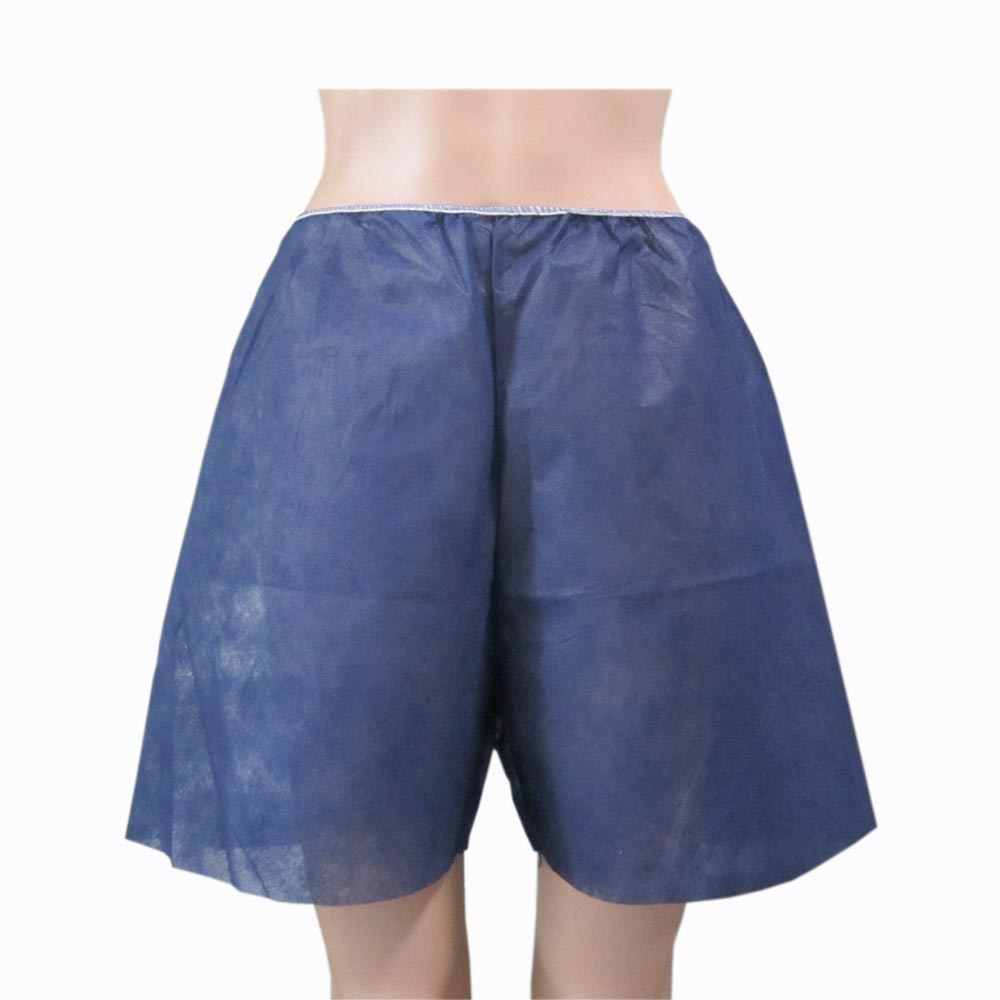
Cotton holds onto sweat like a sponge. Spandex blends trap bacteria against your skin. This creates a "moisture-trap" reality after high-exertion activities. You generate immense heat and sweat during long ascents. Traditional fabrics absorb this moisture quickly. They fail to release it fast enough. Sitting in damp layers plummets your core temperature. This moisture accumulation also promotes chafing and bacterial growth. Your evening recovery depends entirely on getting into dry, breathable clothing immediately.
Washing reusable technical gear in the backcountry presents major hurdles. Humid environments stall the drying process. Cold weather freezes wet fabrics overnight. You must carry specialized camp soaps. You also need a microfiber drying towel. Washing requires hauling water 200 feet away from natural sources. You then spend precious evening hours scrubbing and wringing out garments. This drains your energy. It cuts into your critical rest time.
Backpackers share a universal grievance. Heavy hip belts cause deep bruising and skin friction. Stiff waistbands exacerbate this fatigue over several days. You want absolutely zero waist restriction upon reaching camp. You need "pressure-free bliss". Traditional hiking pants utilize rigid materials. They feature thick seams and integrated belts. These design elements actively hinder physical recovery. The ideal camp short eliminates localized pressure entirely.
We must optimize the campsite experience. The ultimate goal involves maximum camp recovery. You want minimum pack weight. You need zero time wasted on campsite laundry logistics. Switching your strategy achieves these outcomes. You stop carrying heavy backup clothes. You stop doing wilderness chores. You reclaim your evening rest. This tactical shift directly improves your daily hiking performance.
You cannot use standard hospital garments in the wilderness. You must evaluate these items using strict industry dimensions. We look at comfort, fabric performance, versatility, and construction quality.
High elasticity is mandatory. Assess the waistband stretch before buying. A rigid elastic band defeats the purpose of waist-pressure relief. Furthermore, the garment must feature a gusseted crotch. You will squat to ignite your camp stove. You will bend over to pitch your tent. A gusset prevents catastrophic tearing during these deep movements. It ensures full mobility while navigating uneven campsite terrain.
Paper-thin medical briefs fail instantly outdoors. They tear easily and trap heat. You must look for non-woven polypropylene or cotton-blend fabrics. Pure cotton single-use fabrics also excel here. These materials mimic the breathability of a standard 5-inch inseam athletic short. They allow air circulation. They prevent sweat accumulation inside your sleeping bag. Proper fabric ensures you stay dry throughout the night.
Can the garment function standalone inside your tent? Premium options absolutely can. They offer enough opacity and structure for sleeping. However, you might want extra modesty walking around camp. You can pair them seamlessly under an unlined ultralight shell. Many hikers buy standard running shorts. They carefully cut out the built-in liner. They use the single-use brief as a clean, daily-refreshable base layer underneath.
Single-use does not mean fragile. Seam integrity matters immensely. Evaluate the stitching closely. The garment must withstand 12 to 24 hours of active campsite wear. You will sit on rough logs. You will toss and turn in your sleeping pad. It must survive this standard campsite setup and sleeping routine. Quality manufacturing prevents embarrassing blowouts far from civilization.
Best Practices for Evaluation
Stretch the waistband manually before packing them.
Hold the fabric up to the light to gauge opacity.
Test a deep squat at home to check seam limits.
Ultralight backpacking revolves around strict math. Every ounce counts. Every dollar matters. Single-use base layers offer a surprisingly high return on investment (ROI).
Let us compare the raw weight. You typically carry four pairs of traditional moisture-wicking Underwear on a long trip. These easily weigh 12 to 16 ounces total. Four pairs of disposable alternatives often weigh under 4 ounces total. This single swap shaves over half a pound from your base weight. You cross the critical 2.5–4 oz optimization threshold effortlessly.
Reusable gear hides numerous logistical costs. You must purchase biodegradable camp soaps. You must buy and carry microfiber towels. These accessories add dead weight to your pack. They also consume your time. You spend 30 minutes daily managing wet clothing. Single-use garments eliminate these resources entirely. You gain extra time for route planning or sleeping.
Premium hiking base layers demand high upfront costs. A single pair often runs $30 to $40. A multi-pack of high-grade single-use shorts costs merely $10 to $15. This low total cost of ownership (TCO) changes the game. You can outfit an entire week-long trip for the price of half a traditional garment. It proves highly cost-effective for seasonal hikers.
Metric Category | Traditional Base Layers | Disposable Alternatives |
|---|---|---|
Total Weight | 12 - 16 oz | Under 4 oz |
Upfront Cost | $120 - $160 | $10 - $15 |
Laundry Time | 30+ mins/day | 0 mins/day |
Water Required | 2+ liters/day | None |
Many hikers question the environmental impact of disposable items. You can manage this footprint responsibly. Strict adherence to wilderness protocols makes this system highly sustainable.
"Disposable" does not mean littering. You never bury these garments. You never burn them in campfires. You must pack out every single pair. Store used garments in specialized waste bags. Odor-proof bags work exceptionally well. You pack them alongside your food trash. Discard them safely into municipal bins upon reaching town. This method keeps trails pristine.
Establish a strict evening routine. Arrive at your camp. Pitch your shelter immediately. Use a biodegradable body wipe to clean sweat off your skin. Change directly into your clean, single-use layer. Layer them under ultralight camp pants if temperatures drop. Alternatively, slide directly into your sleeping bag system. This ensures a hygienic, warm, and highly comfortable recovery period.
Understand the strict limitations of this system. Never rely on single-use items for active daytime hiking. High-friction trail walking destroys them quickly. Walking up steep grades causes severe chafing without proper spandex support. They serve strictly as bottom-of-funnel items. Reserve them exclusively for campsite recovery and sleep. Treat them as sleepwear, not activewear.
Common Mistakes to Avoid
Wearing them on the trail during high-sweat ascents.
Burying them in a cathole instead of packing them out.
Storing soiled pairs next to clean food supplies.
You face dozens of options online. Selecting the perfect pair requires a systematic approach. Follow this three-step logic to guarantee comfort and durability on the trail.
Step 1: Fabric Material Selection. Filter out any products labeled strictly "hospital-grade". These synthetics lack breathability. Prioritize products explicitly featuring 100% cotton. Advanced breathable non-woven variants also perform brilliantly. They manage micro-climates well. They prevent heat rashes during warm summer nights.
Step 2: Sizing for Swelling. Always advise sizing up. Your body undergoes trauma during a long hike. Feet swell significantly. Waistlines bloat due to dehydrated trail meals and altitude. Tight sleepwear actively defeats the purpose of physical recovery. A looser fit guarantees better blood circulation while you sleep.
Step 3: Trial Runs. Never test new gear deep in the backcountry. Recommend testing a single pair at home first. Wear them for a full night of sleep. Verify the seam strength. Monitor your skin sensitivity to the fabric. This builds absolute confidence before relying on them during a remote wilderness excursion.
One-time use shorts and single-use base layers are not novelties. They represent tactical, ultralight tools for managing backcountry hygiene. They provide unmatched waist-pressure relief after strenuous days. They completely eliminate grueling camp laundry chores. They keep you strictly compliant with Leave No Trace water principles.
You should audit your current camp sleepwear weight today. Calculate the exact ounces of those heavy spare layers. Next, purchase a small trial pack of these lightweight alternatives. Test them out on your very next weekend excursion. You will likely never carry heavy, damp backup clothing again.
A: Yes. Premium versions are designed with reinforced seams. They easily handle low-impact camp chores like pitching tents and cooking. However, they are not meant for active trail hiking.
A: By packing out lightweight used items in a sealed trash bag, you protect the environment completely. You avoid introducing biodegradable soaps or greywater into fragile local water sources.
A: Absolutely. Many ultralight hikers cut the built-in liners out of 5-inch running shorts. This drops the short's weight to roughly 2.75 oz. They then use single-use layers as a clean, daily-refreshable liner at camp.
