


+86-13971665988 | info@justcaredisposable.com


Views: 0 Author: Site Editor Publish Time: 2026-08-10 Origin: Site


When you hear the term Disposable Bed Sheet, your mind likely jumps straight to the crinkly, stiff paper found on doctor's exam tables. It is a highly common hesitation for buyers seeking reliable hygiene without sacrificing a decent night's sleep. However, this outdated perception completely ignores massive recent advancements in non-woven fabric technology. Modern manufacturing techniques have successfully bridged the enormous gap between clinical hygiene and true fabric-like comfort.
Today, advanced materials such as SMS and Spunlace deliver exceptional softness and breathability previously thought impossible for single-use linens. This comprehensive guide serves as an objective evaluation tool to help you set realistic expectations before buying. We will thoroughly explore how different synthetic blends behave during sleep under various conditions. Ultimately, we want to help you select the exact right material for your specific use case. Whether you need reliable options for travel, home caregiving, or clinical environments, you will learn exactly what to anticipate.
Modern disposable sheets offer a fabric-like feel, but comfort varies drastically based on the specific non-woven manufacturing process (e.g., Spunlace vs. PE-coated).
The highest level of comfort comes from breathable, multi-layer materials, while fully waterproof options sacrifice some breathability and introduce slight "crinkle" noise.
Choosing the right disposable bed sheet requires balancing three variables: required liquid protection, duration of use, and user skin sensitivity.
We need to establish a highly realistic baseline right away before diving into material specifications. A Disposable Bed Sheet will never perfectly replicate the heavy, luxurious feel of 400-thread-count Egyptian cotton. Brands claiming otherwise in their marketing materials are simply exaggerating the capabilities of non-woven textiles. You should view these innovative products as highly engineered temporary solutions rather than permanent luxury bedding replacements. So, what do they actually feel like against your bare skin during a full night of rest?
The standard tactile experience compares closely to a high-quality, heavy-duty paper towel used in premium kitchens. Some premium synthetic blends feel surprisingly similar to a soft, newly unpackaged microfiber cleaning cloth. They utilize microscopic fibers tightly entangled together to create a remarkably smooth and uniform surface.
Friction and movement during sleep remain major concerns for many first-time users. Older iterations of these products felt incredibly stiff, loud, and highly abrasive against sensitive skin areas. Today, high-quality modern options drape exceptionally well over the natural contours of your mattress. They actively minimize skin friction and prevent uncomfortable chafing, even if you toss and turn frequently. You can roll over comfortably without feeling wrapped in a rigid plastic grocery bag. Manufacturers now focus heavily on drapeability, which refers to how naturally the fabric folds and bends. Better drapeability directly translates to a much more natural, traditional bedding experience for the end user.
Understanding the underlying manufacturing materials reveals exactly which option feels the softest for your specific needs. Manufacturers use vastly different non-woven processes to achieve highly specific textures and clinical performance metrics. We can break these diverse manufacturing techniques down into three primary categories for easier comparison.
First, Spunlace non-woven stands out aggressively as the ultimate comfort winner in this product category. It feels the softest to the touch and mimics traditional woven cotton remarkably well. Factories use high-pressure water jets to entangle the tiny fibers securely into a web structure. This precise mechanical process completely eliminates the need for harsh chemical binders or stiff adhesives. We highly recommend Spunlace variants for frequent travel, luxury hotel use, and highly sensitive skin conditions.
Next, SMS (Spunbond-Meltblown-Spunbond) serves as the incredibly reliable, balanced standard across the global medical industry. It feels incredibly lightweight and highly breathable due to its unique three-layer structural design. The surface retains a slightly textured yet genuinely soft finish against the human body. It provides an excellent middle ground for general hospital stays and routine outpatient procedures. You will also find it perfectly suited for home guest rooms and short-term family visits.
Finally, PE-Laminated or coated sheets represent the necessary waterproof trade-off for demanding fluid control situations. They feature a remarkably soft top layer permanently fused to a thin, plastic-like protective backing. This robust construction introduces a few notable drawbacks regarding overall sleep comfort. It often traps residual body heat and produces a distinct "crinkling" sound when you shift violently. However, they remain absolutely essential and irreplaceable for severe incontinence care. They also serve aging parents and complex post-surgery recovery situations brilliantly by protecting expensive mattresses.
Here is a quick reference table summarizing these distinct material differences:
Material Type | Tactile Feel | Primary Advantage | Best Use Case |
|---|---|---|---|
Spunlace Non-Woven | Softest, cotton-like | Zero chemical binders | Travel, sensitive skin |
SMS Tri-Layer Blend | Lightweight, textured | High breathability | Hospitals, short-term guests |
PE-Laminated | Soft top, plastic back | 100% fluid blocking | Incontinence, post-surgery |
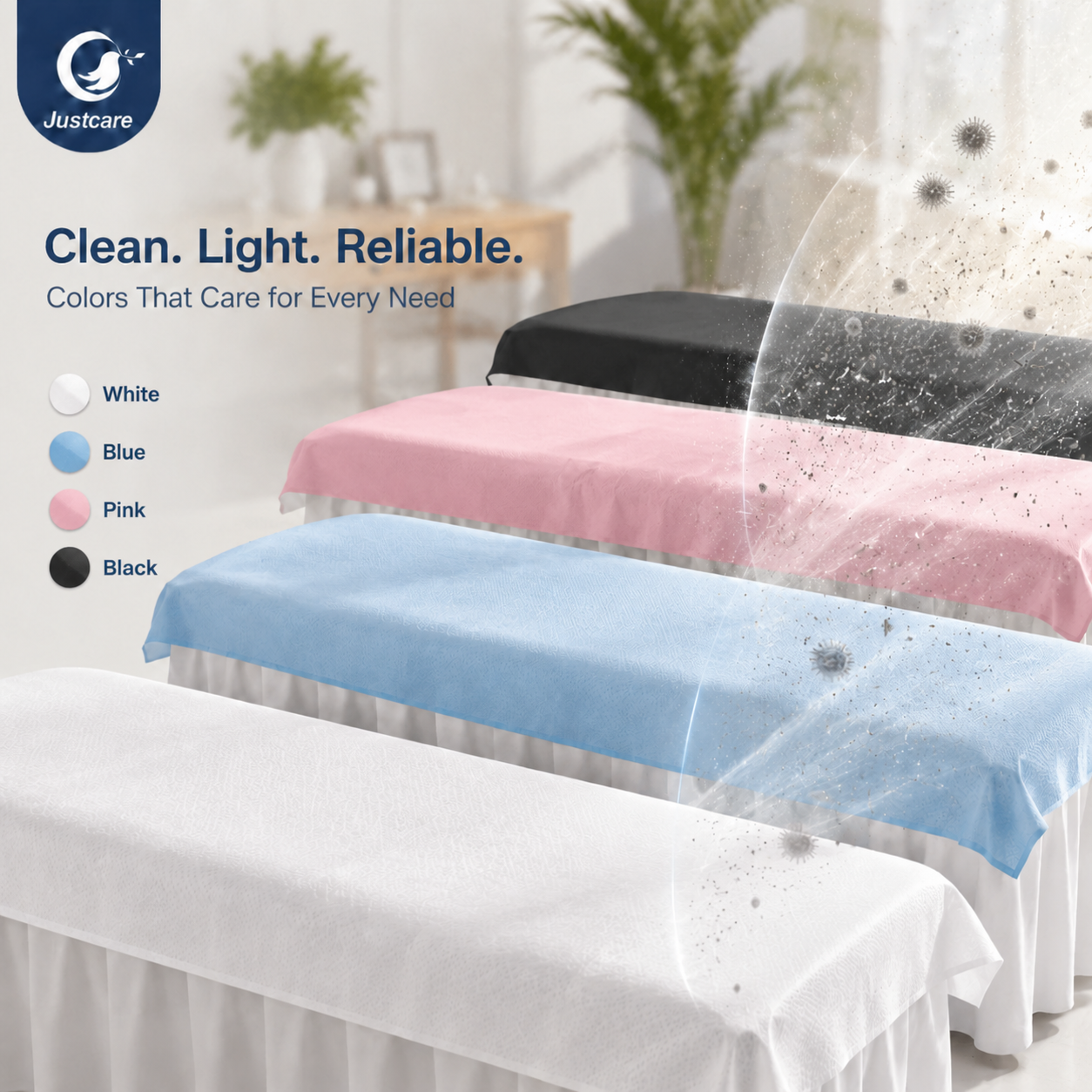
True comfort extends far beyond just initial surface softness felt through a quick hand touch. Genuine sleep quality depends heavily on consistent thermal regulation, acoustic silence, and structural durability over eight hours. Non-laminated fabrics remain inherently highly breathable by design. They allow trapped air to circulate freely and actively prevent uncomfortable night sweats from developing. You can contrast this cooling behavior against fully waterproof variants built for heavy incontinence.
Waterproofing strictly requires a solid moisture barrier, usually made from polyethylene film. This dense barrier inevitably traps natural body heat over several hours of continuous contact. If you naturally sleep hot, a heavy waterproof barrier will likely disrupt your normal REM cycles.
We must also transparently discuss acoustic comfort, often referred to in the industry as the "crinkle" factor. Some laminated materials generate noticeable noise every single time you shift your body weight. Buyers looking for completely silent sleep should exercise extreme caution when reading product descriptions. You should actively avoid anything marketed as "100% leak-proof" if midnight noise deeply bothers you. The only reliable exception involves premium products specifying a multi-layer acoustic dampening structural design. These specialized designs muffle the rigid plastic backing effectively by adding extra soft padding layers.
Durability under movement represents another immensely crucial comfort metric for restless sleepers. Restless sleepers often fear waking up on a ripped, tangled sheet exposing the bare mattress beneath. Modern manufacturing elegantly solves this widespread issue through impressive tensile strength engineering. Woven-polymer blends resist tearing remarkably well, even under significant body weight and high friction. You can toss and turn aggressively without destroying the underlying fabric matrix. The structural integrity ensures the sheet stays perfectly flat and highly comfortable until early morning.
No single product operates perfectly for every possible sleeping situation or clinical environment. You must intelligently match the specific material properties to your actual surrounding environment. This highly targeted approach guarantees maximum user comfort and exceptional functional utility. Let us examine the three most common usage scenarios to help clarify your purchasing decision.
For Travelers & Airbnb Guests: You should prioritize ultra-lightweight and extremely compact materials for your luggage. Skin-friendly textures matter immensely here because you want a restful vacation sleep. Your primary focus remains personal hygiene over heavy-duty, long-term durability. Spunlace provides the absolute best experience for packing efficiently in a crowded carry-on suitcase. It prevents direct contact with questionable hotel mattresses without feeling like hospital gear.
For Home Caregiving & Aging Parents: You need incredibly robust multi-layer designs in this emotionally sensitive scenario. Peel-away styles or highly absorbent top-sheets work best for managing unpredictable nightly spills. They successfully balance a soft skin-contact layer alongside heavy-duty mattress protection. Maintaining patient dignity relies heavily on providing a soft surface that also blocks severe fluid leaks.
For Salons, Spas, and Busy Clinics: You should actively look for hypoallergenic and cost-effective bulk purchasing options. Client skin-contact time typically limits itself to just one or two brief hours per session. Therefore, extreme long-term breathability matters much less than immediate surface softness and fast room turnover. SMS blends offer the perfect financial balance for high-volume commercial environments.
Below is a scenario-matching chart outlining how to align your priorities:
User Scenario | Primary Comfort Priority | Secondary Functional Need | Recommended Material Choice |
|---|---|---|---|
Global Travel & Hotels | Premium skin comfort | Luggage portability | Spunlace Non-Woven |
Home Caregiving | Fluid absorption | Mattress preservation | PE-Laminated Multi-Layer |
Spas & Quick Clinics | Hypoallergenic touch | Fast room turnover | Cost-Effective SMS Blend |
Buyers frequently debate whether to transition away from using traditional washable cotton linens. Making this significant operational choice requires a highly practical and objective shortlisting framework. You need to carefully weigh pure convenience against recurring maintenance expenses and environmental impacts.
Cost-to-Use Ratio: Traditional woven sheets demand constant laundering, hot water heating, and heavy manual labor. You must strictly compare these endless recurring washing expenses against single-use convenience. In busy commercial settings, skipping the laborious laundry process saves massive amounts of staff time. For everyday household consumers, the sheer convenience of tossing a soiled sheet often easily justifies the initial purchase price. You eliminate detergent costs and expensive washing machine wear completely.
Hygiene Certainty: This factor remains the single most powerful value proposition for single-use bedding. A Disposable Bed Sheet guarantees absolute zero risk of dangerous cross-contamination between users. You never have to worry about lingering bed bugs, harsh detergent residues, or stubborn pet allergens. In high-risk clinical environments, this absolute medical certainty completely overrides any minor tactile comfort downgrades. It provides immense peace of mind for severely immunocompromised patients.
Environmental Considerations: Unnecessary plastic waste presents a highly valid concern for many eco-conscious modern buyers. Fortunately, the manufacturing industry offers excellent biodegradable alternatives today to address this exact hesitation. You can easily find premium options made entirely from bamboo or plant-based polylactic acid (PLA) fibers. These innovative eco-friendly choices decompose naturally in facilities while still providing excellent overnight sleep comfort. You no longer have to choose strictly between earth-friendly practices and personal convenience.
Our final verdict remains unequivocally clear: these innovative sheets absolutely deliver high comfort for their intended short-term purposes. You will experience excellent rest provided you carefully align the specific material with your exact daily needs. Choosing a premium Spunlace or SMS fabric guarantees a surprisingly soft and highly breathable experience. They have evolved significantly past the rigid paper rolls used decades ago.
Before you make your next strategic move, consider following these actionable next steps:
Audit your primary use case strictly to decide if you need heavy waterproofing or just lightweight travel hygiene.
Choose premium Spunlace technology if pure tactile softness remains your absolute highest priority.
Avoid fully PE-coated products entirely if you are an incredibly hot or highly restless sleeper prone to night sweats.
Request a small B2B sample pack first if you plan to order in large commercial bulk quantities for a clinic.
A: It entirely depends on the material you choose. Breathable fabrics like SMS or Spunlace allow optimal air circulation and prevent night sweats. However, waterproof layers utilize a plastic barrier. This specific barrier traps body heat effectively. If you sleep hot, you should avoid waterproof options unless absolutely necessary for liquid protection.
A: Yes, many high-quality options can last multiple nights. While manufacturers design them for single use, premium spunlace sheets are remarkably durable. If they remain unsoiled and dry, you can comfortably use them for three to five days during continuous travel. You should discard them immediately once they become visibly dirty.
A: Absolutely. Most medical-grade non-woven sheets are explicitly designed for sensitive patients. The manufacturing process creates a hypoallergenic, lint-free, and chemical-free surface. They do not use harsh dyes or heavy detergents. This makes them incredibly safe for individuals suffering from severe allergies or chronic skin conditions.
